Legal basics and definitions
What counts as driving without a license
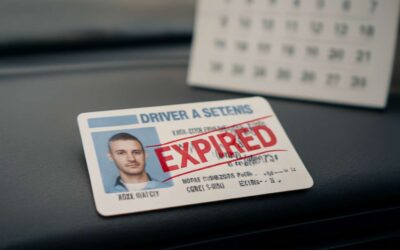
Last year, South Africa’s road authorities logged more than 60,000 encounters with a car without license on the nation’s streets, a statistic that jolts even seasoned drivers. Legally, a driving permit confirms the holder’s competence and adherence to road rules. Driving on public roads without a valid license is illegal, covering expired, suspended, or never-obtained licenses.
Legal basics define driving as steering a vehicle on a public road with the intent to move. A license is a current permit from the relevant authorities. Understanding what counts as driving without a license clarifies the stakes.
- Behind the wheel on a public road
- Engine running or ready to move
- Expired, suspended, or never obtained licenses
- Unsupervised driving under learner rules (where required)
Penalties for these acts include fines and possible vehicle seizure, with serious charges in extreme cases.
License types and typical requirements
Legal basics define driving as steering a vehicle on a public road with the intent to move. A license is a current permit from the relevant authorities. In South Africa, motorists must carry proof of competence whenever they take the wheel—without that, a car without license becomes a legal fault line on busy streets.
License types and typical requirements vary, yet all forms share a safety-first mindset. Here’s how the system generally works:
- Learner’s license: minimum age, knowledge and vision tests, and supervised practice where required.
- Provisional license: pass theory, restrictions on unsupervised driving, and a timeframe to progress.
- Full license: succeed in practical testing, settle fees, and update records as required.
Grasping these definitions helps communities distinguish between routine driving and the hazards tied to a car without license, reinforcing the stakes on South African roads.
Regional variations in licensing laws
On South African roads, the line between lawful driving and a legal headache is sharp. A car without license is more than a citation waiting to happen; it’s a stress test for drivers and for the systems that police the streets.
Legal basics frame driving as steering a vehicle on a public road with the intent to move, and they require proof of competence and current vehicle records. Regional variations in licensing laws emerge from different authorities and policing practices, making the landscape uneven.
Across regions, the practical implications vary. Here are three broad touchpoints:
- Testing timelines and pass marks
- Documentation, verification, and fee structures
- Enforcement penalties and vehicle compliance thresholds
These dynamics shape everyday risk on our streets and underscore how governance, not just paperwork, keeps the public moving.
Temporary permits and exemptions
On South African roads, a single misstep can turn momentum into a legal maelstrom. “A license is a passport to the public road,” the code declares, and driving without the right credentials invites more than a ticket—it invites turmoil.
Legal basics define driving as steering a vehicle on a public road with the intent to move, anchored by proof of competence and current vehicle records. This architecture keeps the rhythm of traffic predictable and safe for all.
Temporary permits and exemptions acknowledge life’s twists, offering narrow windows for limited operation under oversight. A car without license remains a stark emblem of how fragile the margin is.
- Limited-Use Permits for testing or demonstrations
- Exemptions for essential services or diplomatic personnel
These provisions illuminate the line between necessity and negligence, where governance sustains movement without muting responsibility.
Risks, penalties, and consequences
Legal penalties for driving without a license
In South Africa, car without license carries more than a slap on the wrist—it’s a risk that can change your life. Legal penalties are designed to deter casual lapses and protect others on the road.
Legal penalties for driving without a license vary by case, but commonly include fines, court appearances, and even a temporary suspension of driving privileges. The consequences reach beyond a single ticket, affecting insurance, job prospects, and your record.
- Fines and mandatory court appearances
- Vehicle impoundment or registration holds
- Criminal record implications and higher future premiums
- Potential imprisonment for repeat offenses or serious circumstances
In rural towns and busy metros alike, the ripple effects touch families and communities—mobility becomes a fragile thread when the law is breached by neglect or necessity.
Impact on insurance and finances
One lapse can cost a lifetime. For many South Africans, a car without license carries a hidden price tag, paid not only in fines but in future financial strain. Insurance providers tighten their margins after such incidents, with higher premiums and more stringent coverage terms. The record you carry can shadow job prospects and even financing for a new vehicle.
- Rising insurance premiums and tighter underwriting
- Non-renewal or exclusions on claims related to the incident
- Higher deductibles and longer-term premium depreciation
- Costs to restore driving privileges or license reinstatement, and legal expenses
The financial tremor extends beyond the courtroom; a car without license can echo through household budgets, affect creditworthiness, and complicate future mobility. In the long run, this single misstep shapes how we live, work, and dream on South Africa’s roads.
Criminal vs. civil consequences
A car without license doesn’t just violate a rule; it unsettles the very idea of accountability on the road. In South Africa, the consequences stretch beyond fines, rippling into criminal risk and civil liability that can reshape a driver’s finances and career prospects.
- Criminal consequences: fines, potential imprisonment for severe cases, and a record that shadows future mobility.
- Civil consequences: claims from others, higher insurance costs, and civil penalties that erode household budgets after an incident.
The effects creep into credit scores, job opportunities, and even the way we are seen on South Africa’s roads. The road’s verdict is rarely swift, but its echoes can be lasting and loud.
Effects on driving record
On South Africa’s roads, a car without license is not merely a rule-break—it’s a prelude to a harder, different life behind the wheel. The moment of risk is written in a ledger that never fully closes. The road will not forget; the record can grow heavier than expected!
A driving record is more than a file; it shapes renewals, insurance trust, and the confidence with which future opportunities are weighed. The lasting stigma can ripple into credit, housing, and career mobility, turning everyday choices into long shadows.
In South Africa, the road’s verdict lingers—clear, calm, and relentless. The consequences are not just legal; they become a quiet companion that follows a driver into appointments, interviews, and plans for the road ahead.
How to obtain a license
Steps to get a learner’s permit
“The learner’s permit isn’t the finish line—it’s the first mile,” a driving student once told me. In South Africa, that permit opens the city lanes to cautious optimism, a transition from passenger to participant on the road. The idea of a car without license carries weight here, and the permit helps channel ambition into responsibility.
- Meet the minimum age and vision requirements; bring identification, proof of address, and parental consent if under 18.
- Study the road rules and signs to prepare for the written theory test.
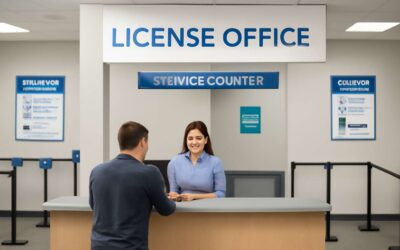
- Submit documents at the licensing office, pay the fee, and book the learner’s permit test date.
Once the permit is in hand, the journey becomes a blend of practice and patient discipline—learning mirrors in the mirror, and every quiet drive builds genuine confidence.
Preparation for driving tests
They say the road teaches patience better than any textbook. “The road doesn’t forgive bravado,” my driving coach would murmur, a line that still echoes as I study for the theory and practice ahead.
Preparing for the driving test in South Africa blends studying road rules with hands-on familiarity. Focus your energy on signs, vehicle control, and hazard awareness, while keeping your responses measured and calm. A car without license serves as a stark reminder of consequences.
- theory fundamentals (rules and signs)
- practical car familiarization (controls and mirrors)
- mock tests and scenario practice
When the exam day arrives, calm focus trumps rush, and preparation becomes conviction.
Common application pitfalls
Licensing isn’t just paperwork; it’s a passport to the road’s accountability. In South Africa, the licence journey tests patience as surely as it tests skill—drivers learn that consistency outlasts bravado. “Patience is the speed limit of safe driving,” a driving coach once said, a line that sticks as I study theory and practice for what lies ahead!
Typical stages to obtain a driving licence include:
- Meet basic eligibility: age, residency, medical fitness.
- Pass theory and obtain a learner’s permit path if required.
- Complete practical training with a licensed instructor.
- Fulfill assessment criteria and pass the driving test.
- Pay fees and collect the licence on approval.
Driving a car without license is illegal and carries penalties, insurance complications, and reputational harm. The licence marks your commitment to safety, responsibility, and the civic contract that governs South Africa’s roads.
Qualified resources and funding options
The road rewards preparation over haste. In South Africa, the leap from learner to licensed driver hinges on planning as much as practice; the reality is simple: a car without license is a legal liability, not a dream.
How to obtain a license hinges on qualified resources and workable funding options. Consider these avenues to keep the process fair and affordable:
- Driver Licensing Centre for bookings and tests
- Accredited driving schools with licensed instructors
- Flexible payment plans and school-financing
- Community programs and employer sponsorships
These channels align practice with theory, reducing delays and safeguarding your driving record. Qualified resources and funding options make licensure a realistic goal on South African roads.
Safe alternatives and responsible options
Legal ways to practice driving without a full license
The road has a way of revealing truth at sunrise. In rural South Africa, the lure of a car without license can feel like progress in disguise, but responsibility travels faster. Safe alternatives and responsible options offer a steadier map: supervised practice, links to accredited driving schools, and realistic simulations that sharpen judgment before any real wheels turn.
- Supervised practice with a licensed driver in familiar, low-traffic areas
- Enrollment in a certified driving school for structured lessons
- Theory courses and driving simulations to build situational awareness
These routes foster safety, community accountability, and a patient path to the road, guiding learners toward confident, careful navigation.
Consultation with licensing authorities
Safety is a choice made before the key turns. In the SA driving landscape, the fastest short cut can turn into a long consequence. Consultation with licensing authorities clarifies what counts as lawful practice and how to pursue legitimate progress. A deliberate path—rather than a risky car without license—keeps families and communities safer while you build real competence on the road.
- Reach out to the relevant licensing authority to understand current rules and approved training options.
- Ask about temporary permits, waivers, or supervised-learner programs that fit your locale.
- Access official driver education resources and simulators recommended by accredited providers.
By aligning with authorities and using proven tools, you move toward confident, responsible road use without risks of a car without license. The road rewards preparation, not shortcuts.
Ridesharing, car-sharing, and supervised programs
‘Safety is not a vibe; it’s a plan,’ a seasoned SA driving instructor likes to remind us. In a country where road myths outrun the speed limit, the lure of a car without license is less a thrill and more a trap—risk, penalties, and a souring of trust that travels well beyond the driveway.
Safe alternatives and responsible options offer real, reliable momentum: ridesharing, car-sharing, and supervised programs that build competence without courting trouble.
- Ridesharing apps provide door-to-door transport with background checks and rating systems.
- Car-sharing gives you controlled access to a vehicle by the hour, with maintenance and insurance considerations clear.
- Supervised programs pair learners with seasoned mentors, ensuring practice occurs within approved guidelines.
Choosing these avenues keeps neighborhoods safer while you grow skill and confidence on the road.


0 Comments