Understanding vehicle license checks
What is a vehicle license check
South Africa’s roads hum with a daily vignette of care and consequence, and the car license check stands as the quiet guardian of that balance. “Your license is the map of your journey,” says a veteran inspector, a line that feels like a weathered rune guiding every mile.
A license check taps into national records via the eNatis system to confirm that the driving licence is current, the vehicle remains properly registered, and any flags—such as fines or suspensions—are acknowledged before the engine is coaxed to life.
For readers in South Africa, this understanding threads through safety, compliance, and peace of mind, weaving data into a readable story that supports fleets and private drivers alike. The magic is in reliable, transparent history.
Why license checks matter for buyers and sellers
“A veteran inspector once whispered, ‘Your license is a map, and every mile must be logged with honesty.’” In South Africa, the car license check becomes that map—clarifying journeys and casting light on the road ahead.
For buyers and sellers, a car license check taps into national records via eNatis to confirm that the vehicle’s registration is current, the owner’s license is valid, and any flags—fines, suspensions, or boundary alerts—are visible before the exchange accelerates.
It rewards confidence with crystal-clear history, turning risk into navigable terrain:
- Registration validity and ownership alignment
- Unpaid fines or suspensions that could halt a sale
- Forecasted risk for insurance, financing, and resale value
With these signals, buyers and sellers move through deals with a steadier pace and a truer horizon.
Key sources for license information
One in four used-car deals in South Africa stalls because licensing records are unclear. A car license check brings daylight to that cloud, revealing ownership alignment, current registration status, and any fines or suspensions before promises are made. It lets buyers and sellers move with confidence, turning what could be fog into a navigable landscape where every mile is clarity and grace!
Understanding vehicle license checks relies on key sources for license information:
- eNatis: the National Traffic Information System for registration and ownership data
- Provincial licensing authorities: current licenses and suspensions
- Fines and penalties portals: outstanding issues that can stall deals
From these sources, the vehicle’s story unfolds with grace—uncluttered by guesswork, yet rich with nuance that keeps negotiations on a true horizon.
Legal and privacy considerations
Across South Africa, one in four used-car deals stall because licensing records remain unclear, a fog that can derail even the most hopeful negotiations. A thoughtful car license check threads transparency into that fog, pairing ownership truth with a clear registration status and any fines that might complicate a deal.
Legal and privacy considerations anchor every car license check. The Protection of Personal Information Act (POPIA) governs how personal data is collected, stored, and shared, while ensuring individuals know why data is used.
- POPIA compliance: data processing must be lawful, minimal, and transparent.
- Consent and purpose: data collection should match the verification purpose and be disclosed.
- Access, correction, and retention: rights to view, fix inaccuracies, and limit how long data is held.
Done well, a license check respects privacy while delivering navigable clarity—letting buyers and sellers move with confidence through a landscape where every mile is legible.
How to perform a license check online
Official government portals for license verification
In the world of used-car theatrics, a clean license record is the plot twist you want in your favour. A car license check through official government portals for license verification is the simplest, most reliable sanity check you can perform online—without needing a detective’s trench coat. This is where the truth pieces together, beyond vendor buzzwords, especially for South Africa’s market.
These portals provide real-time status, provenance notes, and privacy protections, ensuring you’re not buying a vehicle with a tainted file. car license check on the right site is your shield against surprises, from expired licences to misrepresented histories.
What you can expect:
- Official, secure authentication
- Direct access to licence status and history indicators
- Clear privacy notices and data handling practices
Trusted third-party license services
In a market where one in three used-car stories hinge on license drama, a clean record is the plot twist you hope to negotiate into your favour. A car license check, done through trusted channels, reveals truth without the trench coat—just sanity, plus a wag of the eyebrow.
Online, the route is less detective novel and more credentialed reality. Trusted third-party license services deliver real-time license status, provenance notes, and privacy protections, sparing you fruitless rummaging through paper archives.
- Real-time license status
- Provenance notes
- Privacy notices
In South Africa, these platforms partner with reputable data sources to keep negotiations above board and vibes intact. The right service makes the process effortless enough to sip coffee and still sleep at night.
Tips to validate data accuracy
In a market where one careless typo can derail a deal, a quick car license check online is a quiet shield. In South Africa, a trusted platform respects privacy and ties into reputable data sources, so negotiations stay fair and sane.
To perform a license check online, choose a reputable service that publishes real-time status and provenance notes. Ensure you enter accurate vehicle details—registration number, and where possible the VIN—and read the accompanying privacy notice before you proceed.
Tips to validate data accuracy include cross-checking results with a second source, noting the timestamp and update history, and respecting data-use restrictions. A robust car license check invites a second opinion from trusted platforms and mindful privacy practices.
Interpreting license check results
Understanding status codes and results
In South Africa, a car license check can decide a smooth deal from a pothole-filled surprise. A seasoned dealer quips, “The license check never lies—it speaks in codes.” Interpreting the results means decoding status codes and the vehicle’s history.
- Active/Valid — record confirms current license status; straightforward risk is low.
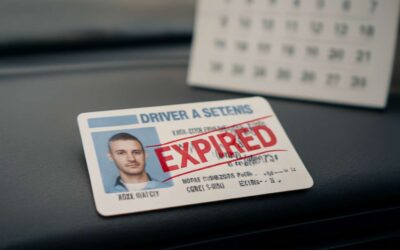
- Expired — license is out of date; potential reminders or fines may apply.
- Suspended/Flagged — red flag; further verification is essential.
- Not Found/Mismatch — discrepancies warrant extra scrutiny and cross-checking.
In all cases, the license check reveals the licensing journey behind the numbers, not just the digits.
Recognizing red flags and risk indicators
In South Africa’s vehicle market, nearly 1 in 3 car license check results uncover licensing anomalies—a reminder that numbers are stories waiting to be read. A seasoned dealer quips, “The license check speaks in codes.” Interpreting the results is like tracing a road map: every digit hints at a history, every line a turn in the journey.
Recognizing red flags and risk indicators can feel like reading constellations in the night sky:
- Mismatch between VIN, plate, and registered owner data that doesn’t align with the vehicle’s narrative
- Recent flags or suspensions noted in the history, suggesting restricted movement or use
- Expired or soon-to-expire license status that contradicts the car’s age or advertised condition
When these signals appear, they invite deeper inquiry: what the numbers cloak matters as much as what they reveal, reminding us that a car license check reveals more than digits—it narrates the licensing journey behind them.
Steps to take after a negative result
When a car license check returns a negative result, it isn’t a verdict—it’s a breadcrumb trail. I listen for misalignments: VIN, plate, and registered owner; sudden flags; or licenses that don’t match the car’s age. These signals demand quiet reflection, not panic. Numbers here become moral clues as much as technical ones, pushing us to read beneath the surface and to guard both buyers and brands with greater care.
This is what a car license check can illuminate when the signal goes negative. Consider these thoughtful prompts:
- Consider potential explanations for data misalignment and how they might reshape risk assessment.
- Assess the seller’s narrative against independent signals such as service history and ownership timelines.
- Test the continuity of the vehicle’s age, mileage, and advertised condition against the license data.
- Weigh the broader implications for buyers, sellers, and dealers if red flags persist.
Cross-checking with vehicle history data
Within the South African market, a startling 1 in 4 car license check results surface at least one inconsistency between the vehicle’s papers and its public record. The signal is not a verdict, but a breadcrumb, inviting a careful, almost forensic reading of ownership, mileage, and registration history.
To interpret these results, cross-check with vehicle history data:
- VIN accuracy across plates and documents
- Consistency of service history with advertised condition
- Ownership timeline aligning with registration events
Quietly, the car license check can illuminate authenticity or hidden doubt, guiding stakeholders—buyers and brands alike—toward a more secure, trustworthy decision.
When to seek professional advice
A license check is a compass, not a verdict,” a veteran dealer once said. Results arrive as breadcrumbs—ownership lines, mileage whispers, registration footprints—awaiting a patient, almost forensic reading. In a car license check, a single discordant note is not a verdict but a breadcrumb guiding you to what might lie beneath the surface.
Interpretation blooms in the context of the wider record. When the story told by the data refuses to align—owners one moment and not the next, service events that glow brighter on the page than in life, or a registration timeline that slips through provinces—it signals a need for professional interpretation. There are signals that invite a deeper look, such as:
- Conflicting ownership timestamps or names across documents
- Mileage trends that don’t reconcile with service history
- Gaps or anomalies in the registration history
Practical use cases and scenarios
Buying a used car: what to check
Buying a used car in South Africa is a social sport, and the license check is the referee who keeps the game fair. A timely car license check saves you from ownership puzzles, unpaid fines, or a VIN that tells a tale you didn’t want to hear. As a veteran dealer quips, “A good license check is cheaper than a bad surprise.”
Practical use cases reveal what to verify, whether you’re buying private-party or at a dealership. Here’s a compact checklist that integrates naturally into the conversation:
- Ownership matches the seller and the plate aligns with the VIN
- No outstanding fines, liens, or encumbrances
- The license status is active and not flagged as stolen or fraudulent
Used judiciously, the car license check enhances every purchase scenario—private, trade-in, or online—by highlighting discrepancies before you sign. It turns a potential headache into a confident, calm negotiation.
Fleet management considerations
Fleet life hinges on one thing: the car license check. In South Africa, licensing glitches derail deals more often than you’d expect—roughly two in five negotiations hit a snag when the paperwork lands. That check isn’t just bureaucracy; it’s a savings tool, catching inconsistencies before signatures are inked.
- Private-party purchases: flag outstanding fines or encumbrances before you commit.
- Dealer inventory and trade-ins: vet incoming stock so a VIN doesn’t surprise the floor with a flagged license status.
- Fleet onboarding and online auctions: pre-empt risk in high-volume scenarios where speed meets compliance.
Fleet management considerations: a robust program scales with your fleet—real-time monitoring, centralized dashboards, automated alerts, and integration with vehicle history data to maintain regulatory compliance and minimize downtime. The car license check becomes a governance anchor, keeping risk low and negotiations as smooth as a well-run Sunday lunch.
Insurance, financing, and warranty implications
The car license check acts as a gatekeeper in South Africa, shaping how insurers in the region price risk, how financiers view appetite for risk, and how warranty providers assess eligibility. In practice, a clean license status can smooth insurance quotes and keep policy terms tidy, while red flags might prod more conservative terms or coverage limits. The effect is felt not just at signing, but in the months that follow.
- Insurance implications: Premiums, renewal terms, and claim viability can hinge on license status.
- Financing implications: Lenders weigh license and encumbrances when approving or structuring a loan or lease.
- Warranty implications: Some warranties require clear license status; outstanding flags can complicate claims.
Ultimately, the car license check functions as a central nervous system for risk, aligning insurers, financiers, and warranty providers with the vehicle’s regulatory standing.
Compliance for rental and leasing
Two minutes of verification can save a fleet a week of delays and costly disputes. The car license check ensures rental and leasing teams confirm driver eligibility before wheels turn, safeguarding asset value and regulatory compliance in South Africa.
- Onboarding new drivers with verified licenses
- Pre-delivery checks to prevent unauthorized use
- Real-time monitoring for suspensions or revocations
- Cross-checking license status with fleet policy requirements
Used this way, license checks become a practical backbone for risk management in busy fleets, helping keep commitments and coverage aligned.
Historical data trends to watch
Across South African fleets, a car license check can cut downtime and disputes by catching ineligible drivers before wheels turn. When license status lags or data is out of date, even a small misstep becomes a costly setback. That’s why fleets lean on this verification as a practical backbone for onboarding, pre-delivery checks, and real-time monitoring.
- Onboarding new drivers with verification before assignment to vehicles, reducing unauthorized use.
- Pre-delivery validations to prevent wheel-turns by suspended licenses.
- Real-time monitoring that flags suspensions or revocations as they happen.
Historical data trends to watch include seasonal spikes in suspensions around holidays, regional licensing backlogs, and the lag between license status changes and fleet policy updates. Tracking these patterns helps schedule renewals, allocate compliance resources, and maintain coverage alignment while staying within regulatory bounds.
By tying car license check data to fleet policy and maintenance planning, managers can navigate South Africa’s landscape with confidence.
Best practices and safety tips
Privacy and data protection best practices
Privacy is the quiet hinge on which the car license check spins. In South Africa’s busy used-car market, data protection isn’t an afterthought—it’s a winner’s badge. “Privacy is not negotiable,” a privacy officer reminds the trade, and the audience nods in cautious assent.
Best practices center on keeping data lean and secure. When performing a car license check, use official portals, request only what is strictly necessary, and demand encryption in transit and at rest. Transparent data-retention terms and audit trails keep conversations above reproach and the balance sheets comfortable.
Principles to guide the process:
- Limit data exposure to what is strictly necessary.
- Choose trusted, official portals for license verification.
- Require clear consent and transparent data retention terms.
- Maintain minimal, auditable records of verifications.
In the end, professionalism thrives where privacy practices meet practical safeguards; the car license check remains a tool, not a confession booth.
Regulatory compliance and record keeping
In a market where trust is currency, a thorough car license check doubles as armor against risk and regulatory scrutiny. South Africa’s regulators expect clarity, audits, and accountability—every verification must leave a trace that can be traced back to the source. Regulatory compliance means data lean, encrypted in transit and at rest, and stored with an auditable, tamper-evident history.
Treat the verification process as governance, not a one-off clearance. Secure consent, transparent retention terms, and strictly role-based access—the quiet safeguards that keep transactions above reproach and protect reputations, including yours, with every car license check.
Keeping license information up to date
Trust is currency on South Africa’s roads, and keeping license data fresh is the best defense. A recent survey finds more than 25% of license verifications uncover outdated records—subtle errors with outsized consequences. The car license check becomes a quiet sentinel in every exchange, shaping confidence from the first glance.
Best practices and safety tips center on governance, not guesswork. Data provenance, encryption in transit and at rest, and auditable trails keep every verification accountable. Strict consent terms and role-based access guard against drift and misuse, preserving integrity as licenses evolve.
- Source validation from official portals
- Regular data refresh aligned with regulatory cycles
- Clear consent and access governance
With these guardrails, license information stays current, letting buyers, sellers, and fleets move forward with clarity.
Common mistakes to avoid during checks
More than 25% of license verifications reveal outdated records, a ghost in the machine that can derail a deal before it starts. The car license check is a quiet sentinel on South Africa’s roads—a measure of truth at first glance.
Best practices and safety tips hinge on governance rather than guesswork: verifiable data provenance, encryption in transit and at rest, and auditable trails that hold each check to account. Clear records of who accessed what data and when shield licenses as they evolve, preserving integrity across the lifecycle.
Avoid these missteps during checks:
- Relying on a single source without cross-verification
- Skipping validation of status codes or mismatches in results
- Failing to log verification events for auditing and traceability
When done properly, a thoughtful car license check informs buyers, sellers, and fleets with clarity, turning potential fog into a clean line of sight.


0 Comments